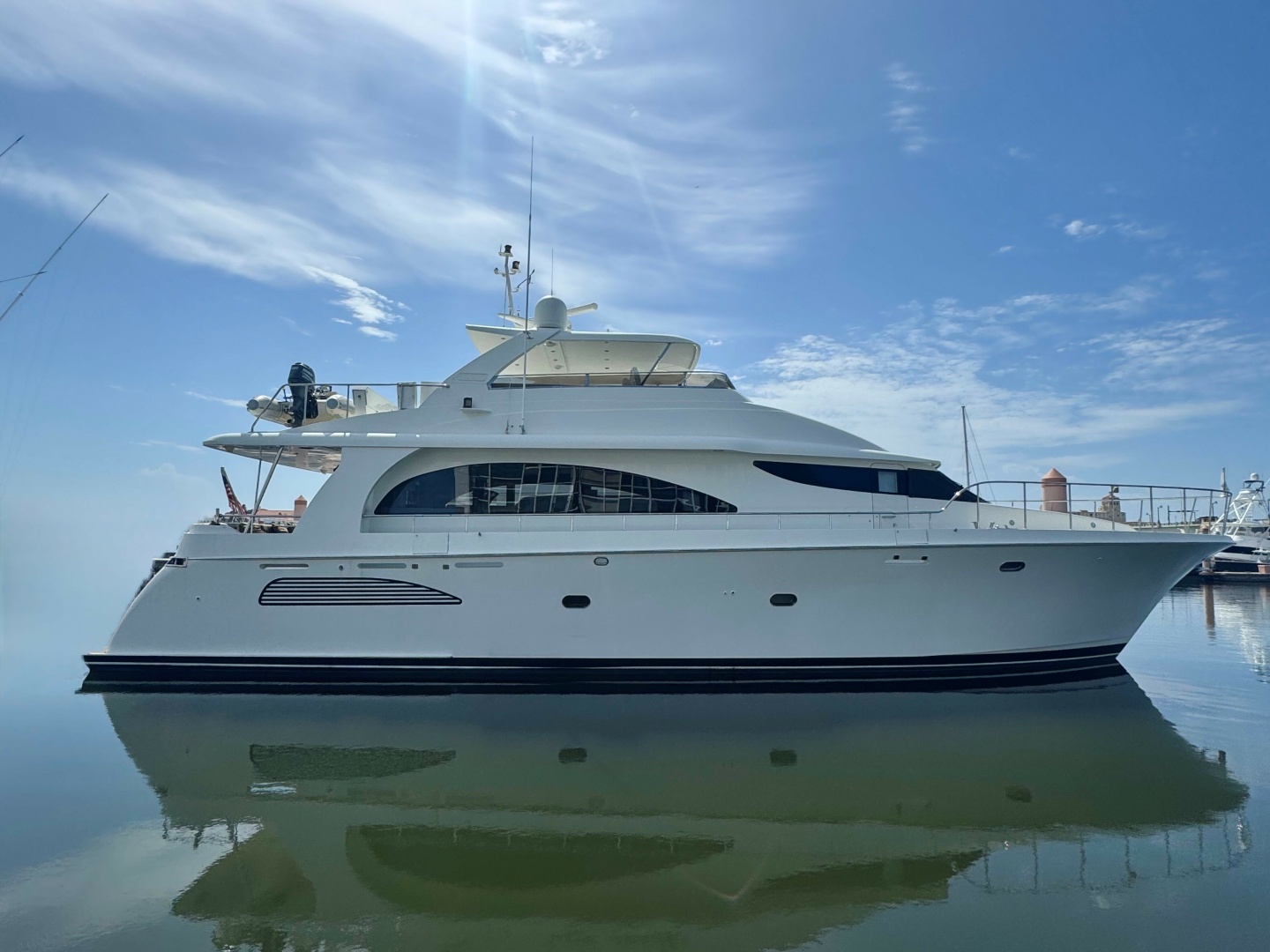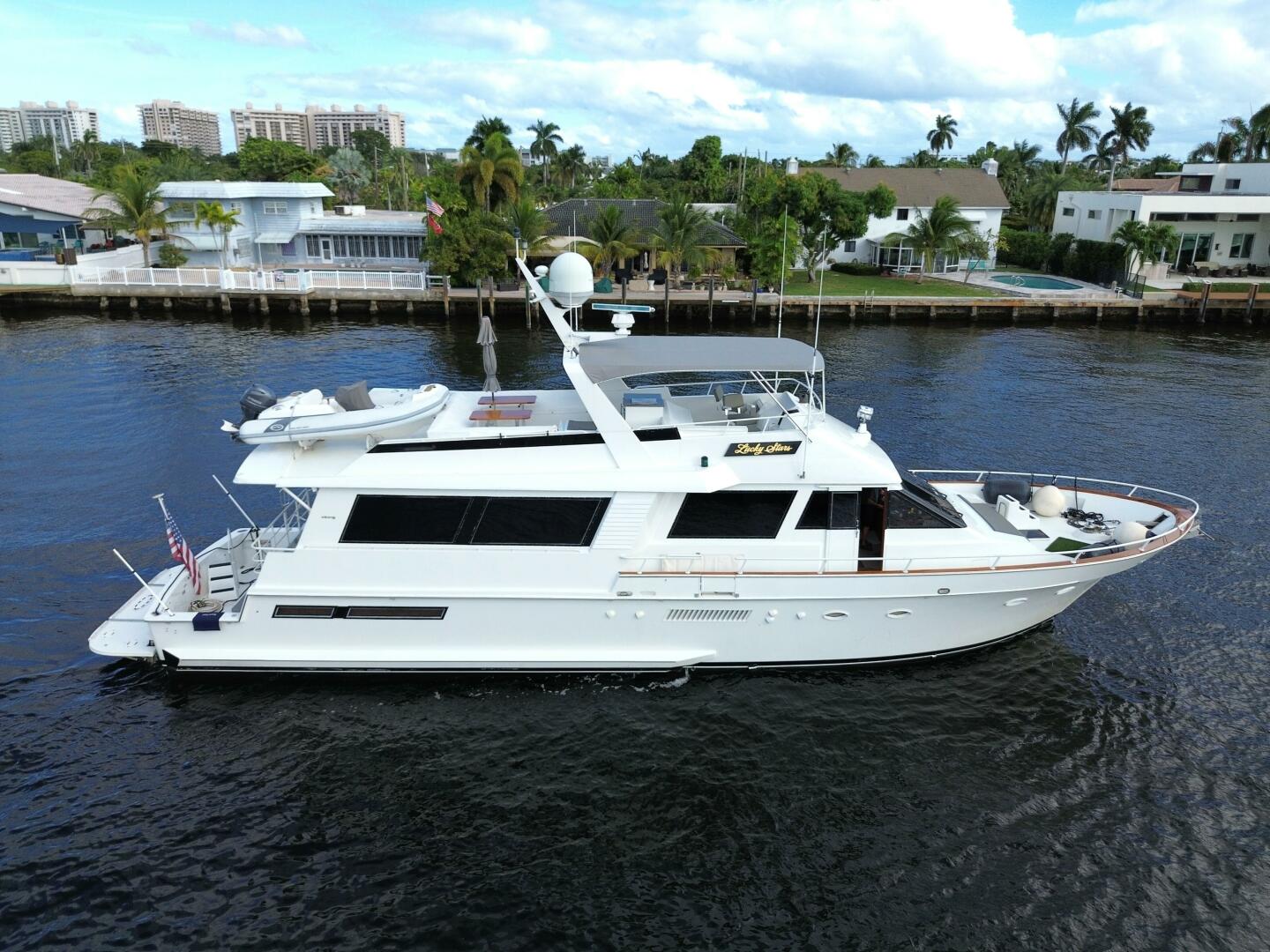
About this yacht
NEW TO MARKET, LCU-8, BUILT FOR US NAVY, EXCELLENT CONDITION! EVERYTHING WORKING
LCM-8 "Mike Boat" Specifications Often called the "Mike Boat," the LCM-8 is a rugged, steel-hulled vessel designed for transporting heavy equipment and troops from ship to shore.
Length Overall: According to Wikipedia and Ocean Support Vessels, the craft measures approximately 73 feet 7 inches to 74 feet.
Beam: 21 feet.
Displacement: Approximately 105 to 111 long tons when fully loaded.
Propulsion: Typically powered by two Detroit 12V-71 diesel engines providing 680 hp sustained to twin shafts.
Capacity: It can carry one M48 or M60 tank, or up to 200 combat troops, 60 DWT.
Performance: A maximum speed of 12 knots light or 9 knots when fully loaded, with a range of 190 nautical miles.
LCM-8 "Mike Boat" (74-Foot Craft)The LCM-8 is designed for short-range ship-to-shore shuttle operations rather than independent long-distance travel.
Fuel Capacity:
Standard Military Spec: Approximately 864 gallons.
Commercial/Private Builds: Varies by modification; for example, a 1972 Gunderson Marine build is listed with a 640-gallon capacity across two tanks. Other variants have been recorded with up to 900 gallons.
Range:
Full Load: 190 nautical miles at a speed of 9 knots.
Light (Unloaded): Approximately 332 nautical miles at 11 knots.
Extended Range: Some modified or civilian versions claim a range of about 400 miles with a 60-ton load.
Fuel consumption for the Detroit 12V-71 engine varies significantly based on engine "tune" (naturally aspirated vs. turbocharged), RPM, and load. In a 74-foot craft like an LCM-8, which typically uses twin engines, you must double these figures for a total vessel burn rate.
Hourly Fuel Consumption (Per Engine)
Idle / Low Speed (1,000 RPM): ~5 to 9 gallons per hour (GPH).
Cruising (1,200–1,500 RPM): ~12 to 24 GPH.
High Cruise (1,800–1,900 RPM): ~40 to 54 GPH.
Wide Open Throttle (2,100–2,300 RPM): ~65 to 80 GPH.
Trip Cost Calculation FactorsTo estimate costs for a specific trip, use the following variables:
Standard Efficiency: A common "rule of thumb" for these two-stroke diesels is 1 gallon per hour for every 20 horsepower produced.
Twin Engine Total: For an LCM-8 at a steady 10-knot cruise (approx. 1,200 RPM), expect a combined burn of roughly 25 GPH.
Engine Type: Turbocharged (12V-71T/TI) models are generally more efficient per horsepower than naturally aspirated (12V-71N) models, but they produce more power and can burn more total fuel at high RPMs.
"Wet Stacking" Risk: Running these engines below 1,300 RPM for extended periods is often discouraged as it can lead to incomplete combustion and carbon buildup.
Estimate Formula
For example, a 50-nautical-mile trip at 10 knots (5 hours) burning 25 GPH total would consume 125 gallons of diesel.
74' x 22' x 4
Hydraulic bow ramp
Built by Bender Shipbuilding, Alabama
Gross tonnage: 95 ton
Net tonnage: 76 tons
Hull depth: 9'
Head room: Cabin - 7', Engine room - 6'.
Shell plate thickness: 1/4"
Bulkhead thickness: 1/4"
(2) 12V-71 Detroit Diesel engines
Steering: Hydraulic
Propellers: 34" x 24"
Fuel capacity: 900 gal
Fuel consumption: 12 GPH
Specification
- Builder
- Commercial
- Model
- LCM 8
- Year
- 1987
- Length overall
- 74′
- Beam
- 22′
- Hull material
- Steel
- Cabins
- 1
- Heads
- 1
- Engines
- 2 × Diesel
- Cruising speed
- 9 kn
- Maximum speed
- 12 kn
- Fuel capacity
- 900 gal
- Drive
- Inboard
Particulars and photography supplied by the listing broker and believed correct, but not guaranteed. Jeff will verify anything that matters to your decision.
Similar